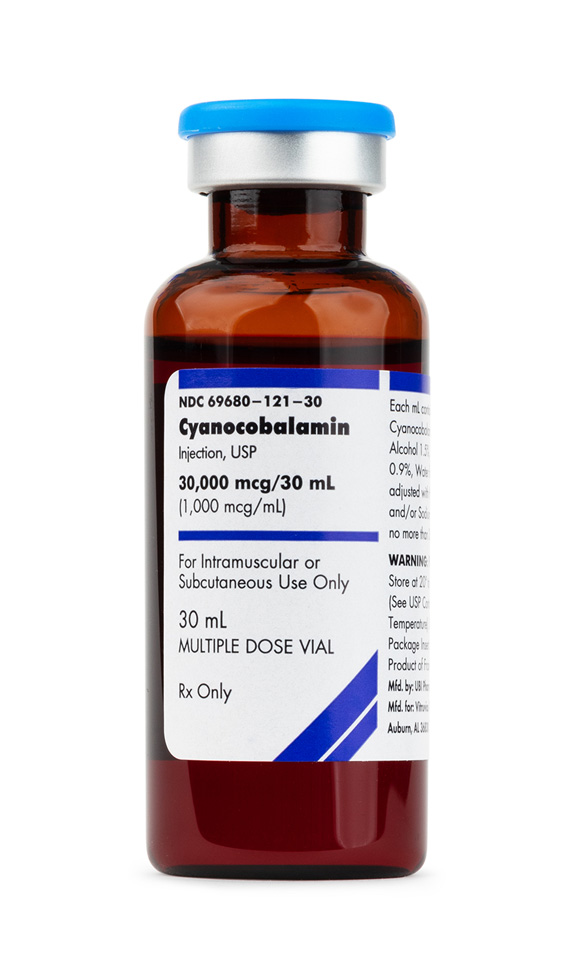
No official contraindication exists, as both work through entirely different mechanisms and metabolic pathways
Pharmacokinetics: Cyanocobalamin is administered intranasally, orally, and parenterally, while hydroxocobalamin is administered only parenterally. Once absorbed, vitamin B12 is highly bound to transcobalamin II, a specific B-globulin carrier protein and is distributed and stored primarily in the liver as coenzyme B12. The bone marrow also stores a significant amount of the absorbed vitamin B12. This vitamin crosses the placenta and is distributed into breast milk. Enterohepatic recirculation conserves systemic stores. The half-life is about 6 days (400 days in the liver). Elimination is primarily through the bile; however, excess cyanocobalamin is excreted unchanged in the urine
Seek Care When Needed Severe symptoms, chest pain, shortness of breath, fainting, allergic reactions, neurologic symptoms, or acute illness require medical care
Overall, NAD+ Injection is considered compatible with most other therapies, with no known adverse drug interactions, but comprehensive disclosure of ones medication regimen to the treating provider is important for safe care